A status update meeting is what a team does when status isn't visible anywhere else: everyone reads out what they know, and one person writes it down. In the collaboration software vendor Atlassian's State of Teams survey of 5,000 knowledge workers, 55% said it is hard to track down information even though they know many people at work, which is the gap a status meeting ends up filling.
This guide covers what a status meeting is really for and six ways to replace the update part of it with an AI agent, while keeping time for the blockers and decisions that still need people.
Key takeaways
- Status meetings fill a visibility gap: People recite updates because the status isn't visible in the tools where the work happens.
- Replace the update, keep the decision: An agent can collect and share status, but blockers and priorities still need people.
- Pull status from where the work lives: Tickets, code, documents, and chat already hold most of what the meeting repeats.
- Link every line to its source: A cited update can be checked, which is what makes it trustworthy enough to replace a meeting.
- Pilot with one meeting: Start with a digest for one non-critical meeting and expand when people trust it.
What a status update meeting is really for
A status meeting does three jobs, even when the invite just says "sync." Naming them shows which parts an agent can take over.
- Broadcasting status: Each person says what they finished, what they are working on, and what is in their way. An agent can pull most of this from tickets, pull requests, documents, and chat before anyone speaks.
- Tracking actions and owners: The meeting produces a list of asks assigned to people, and an agent can capture those asks and follow them.
- Surfacing blockers and deciding: Someone says the date might slip, and the group decides what to do. This is the part that needs people.
Before choosing a tool, mark which parts stay with humans, such as scope, priorities, and sensitive issues. An agent can collect and summarize status, but it can't judge priorities, settle a disagreement, or handle a sensitive discussion, so those belong in a short meeting.
How to replace status update meetings with an AI agent
Replacing status meetings comes down to making status visible and sending it before anyone meets. The six actions below do that, in order:
1. Decide what each meeting is for
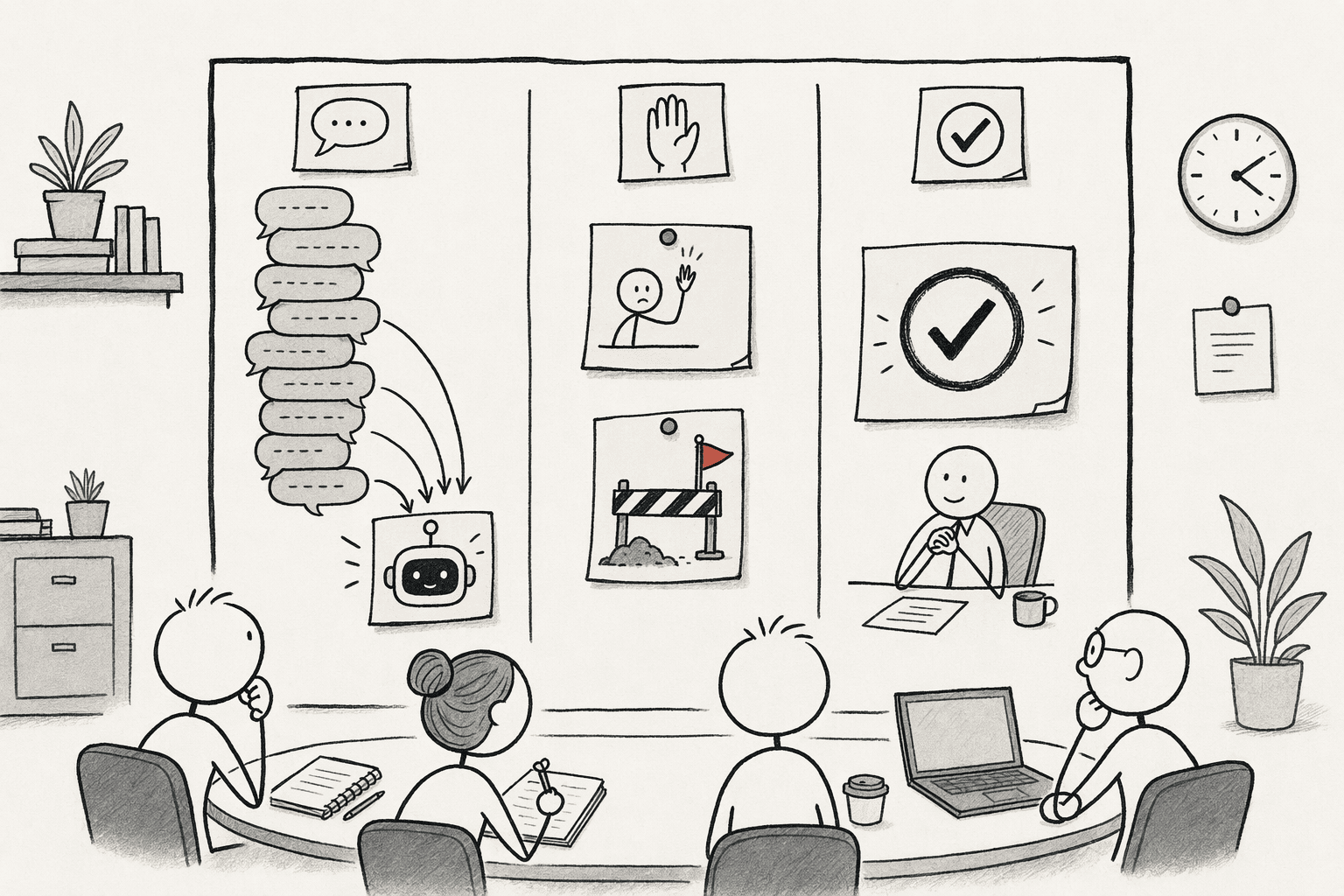
List the recurring status meetings, and split each into three parts: updates, blockers, and decisions.
- Updates are what the agent will replace.
- Blockers need a way to be raised.
- Decisions need a place to be made.
A meeting that is mostly updates is the best one to start with.
2. Connect the agent to where status already lives
Most of what gets read out in a status meeting is already recorded somewhere: tickets, pull requests, documents, the CRM, and chat. Connect the agent to those, with read access first, so it can build the update without asking anyone to retype it.
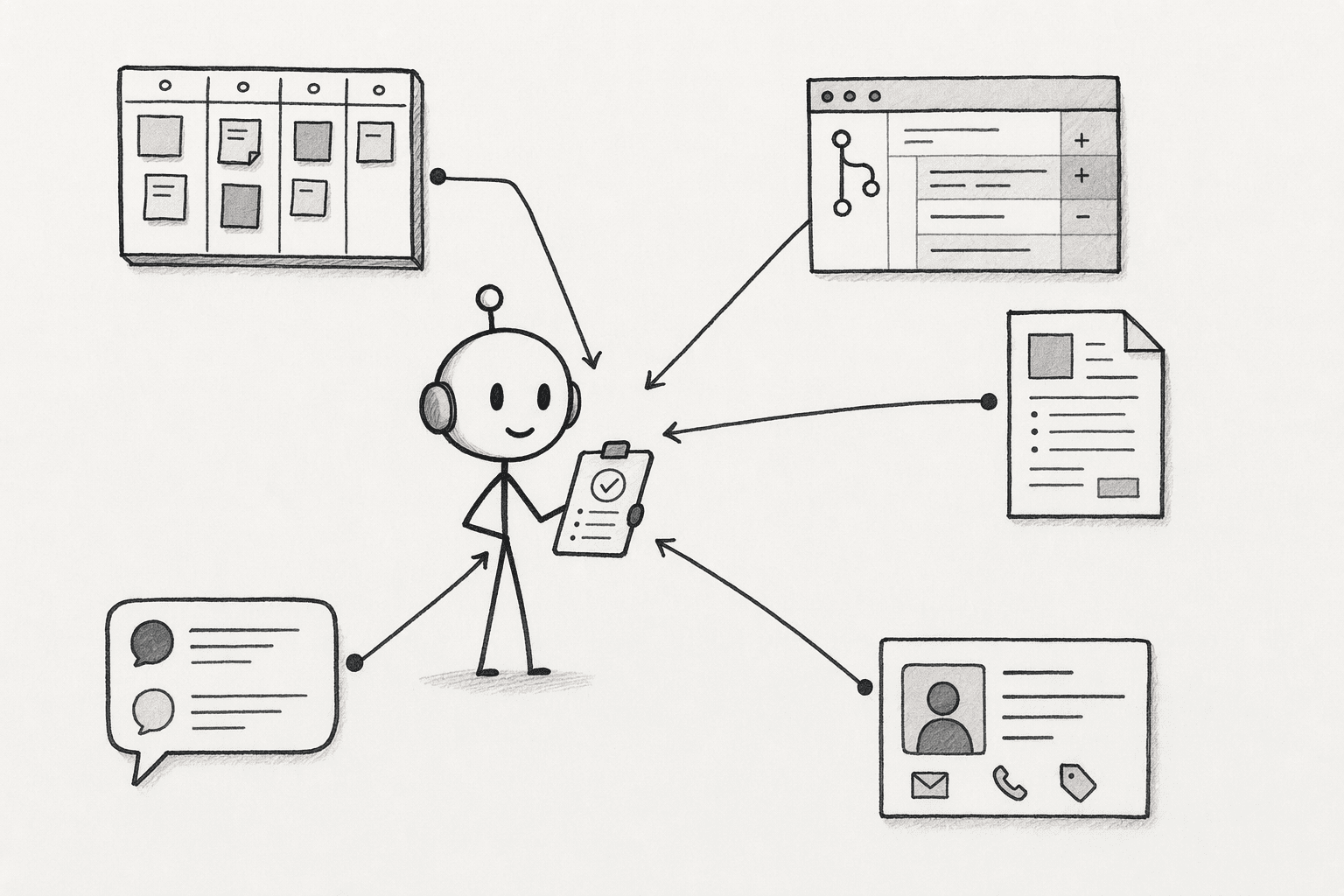
PromptQL, for example, runs as a bot that connects to Slack, GitHub, Linear, HubSpot, Notion, and 40+ integrations.
3. Define the update format
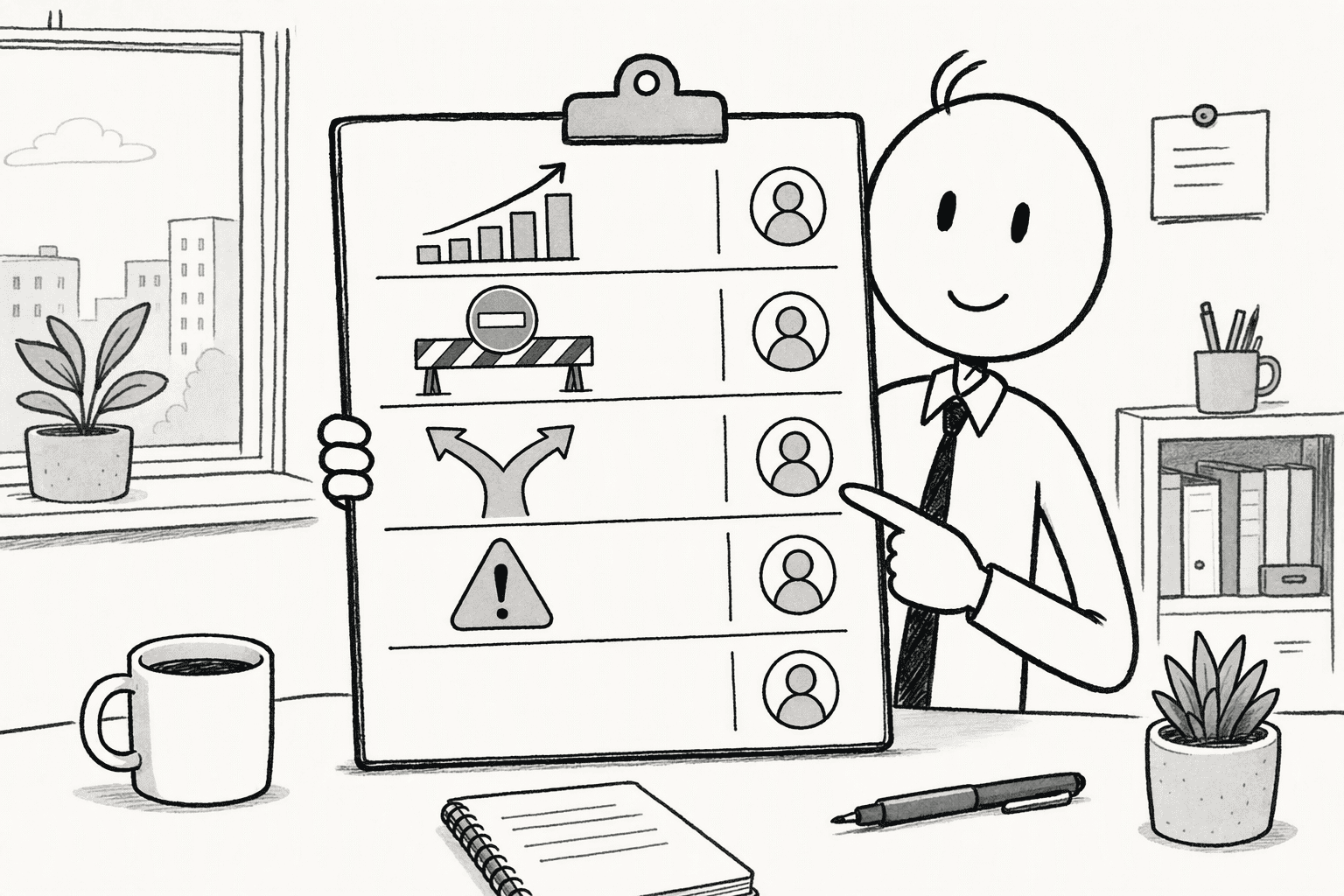
Decide what every update must contain. It could have progress since the last update, blockers, decisions needed, risks, and an owner for each item.
Require every line to link to the ticket or document behind it, with a timestamp, so anyone can check where it came from. An update that cites its sources can be corrected in seconds, and one that doesn't gets ignored.
4. Schedule the agent to post where the team works
Have the agent post a daily or weekly digest in the channel or thread the team already reads, plus an alert when something becomes blocked. Send the update before any meeting, so the live time goes to decisions, and have the agent check a few days later whether the commitments moved.
PromptQL's bots run in the cloud and wake up on schedules and events such as tickets and alerts, then write the latest state back into the thread, which is how its homepage describes a twice-daily team digest. A bot borrows the permissions of the person who asked, and whatever it says in a shared chat is visible to everyone in that chat, so keep sensitive items out of channel-wide updates.
5. Let people correct and add context
An agent can't see what nobody wrote down, such as a vendor delay or a review blocked on someone's leave. Ask people only for those gaps, and let them reply in the thread instead of in a meeting.
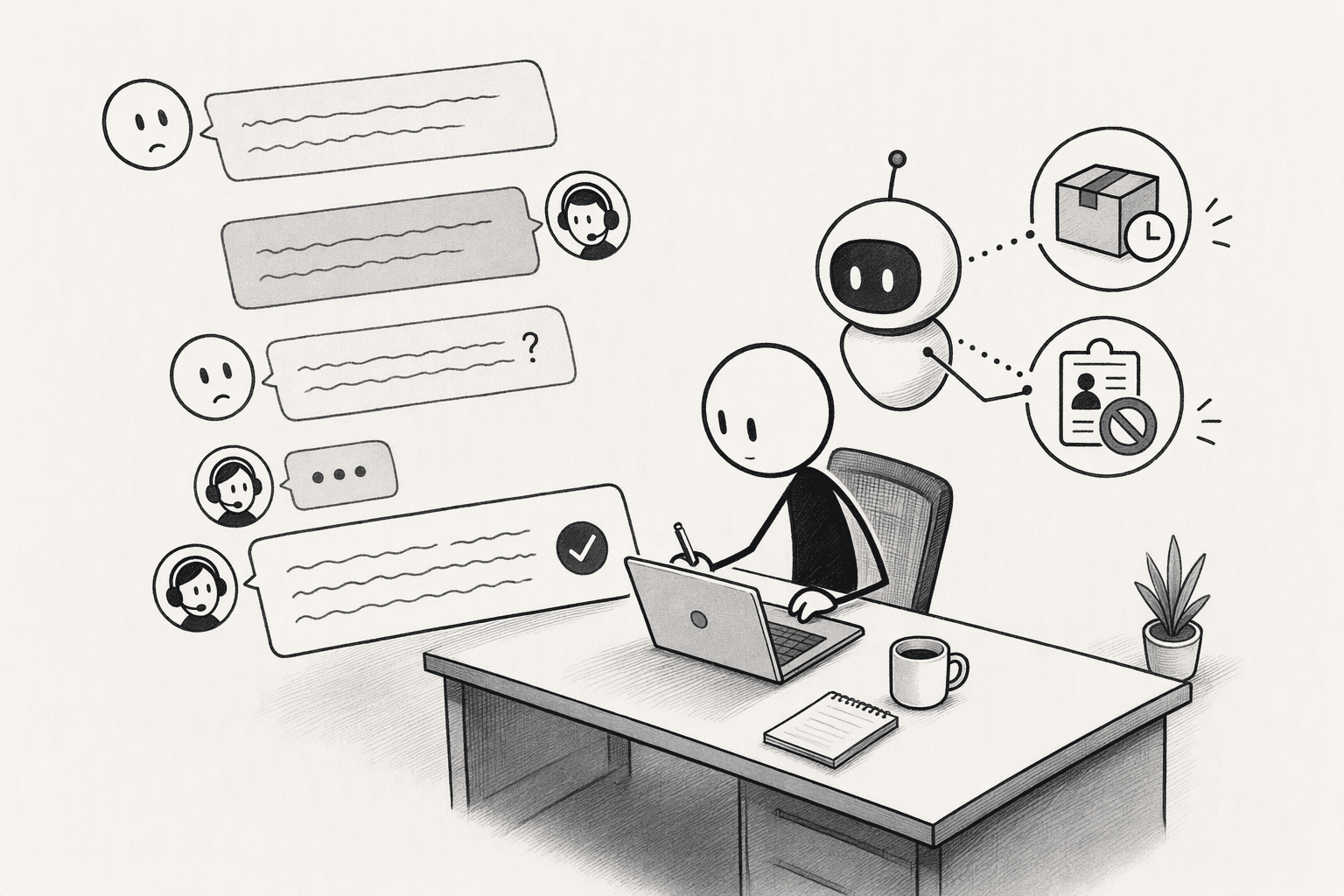
In PromptQL, a bot reworks the plan around what each person adds and tells the people it affects, and a correction made once is captured as a cited wiki entry, so the next update starts from it.
6. Shorten the meeting and keep the decisions
Drop the update round, and keep a short slot for blockers and decisions. Pilot with one non-critical meeting first: start with the digest, add recaps once people trust it, and expand to the next meeting after that.
Decide in advance what the agent does alone and what needs a person. Collecting and summarizing status is automatic, while assigning actions, writing back to source systems, and escalating need approval. Measure meeting time and how often an update turned out to be wrong, and aim for the first to fall without the second rising.
Conclusion
Moving forward, treat status as something a team's tools publish, not something people recite. Keep each update sourced and sent before the meeting, keep a short slot for decisions, and let people correct the agent in the thread instead of on a call. For teams that want that to run on its own, PromptQL's bots collect the status, post it on a schedule, and keep the corrections, so the meeting is left for the decisions that need people.
Frequently Asked Questions
Can an AI agent actually replace status update meetings, or does it just shift the communication bottleneck?
It can replace the update part, because it can collect status from tickets, code, documents, and chat and post it on a schedule. Blockers and decisions still need people, so the decision part still needs a short meeting.
Which meetings shouldn't be replaced?
Meetings for decisions, disagreements, sensitive topics, and anything where people need to talk through trade-offs. Replace the recitation of status, not the conversation about what to do.
How do you keep AI status updates accurate?
Require every line to link to its source with a timestamp, review the first few updates against the real tickets and documents, and let people correct the agent in the thread. Track how often an update turns out to be wrong.
What should an AI status update include?
Progress since the last update, blockers, decisions needed, risks, and an owner for each item, each with a link to its source.
How do you get a team to trust the updates?
Start with one meeting, send the digest alongside the usual meeting, and let people see that every line can be checked. Drop the meeting only when the updates have proved accurate.
Sources
- Executive Assistant: Meetings | Nex AI Agent - nex.ai
- PromptQL | The AI workspace for analysis and actions. - promptql.ai