PromptQL Logo
03 Nov, 2026

•

10 MIN READ

7 Best AI Tools for Employee Onboarding in 2026

A new hire's first month is a scavenger hunt. The policy lives in one doc, the process in another, and the reason behind it in a Slack thread from last spring. So they ping a manager, wait for a reply and slowly learn who to ask, while that manager answers the same ten questions for the fifth time this quarter.

Onboarding software handles paperwork well, but it cannot explain what "qualified lead" means at your company or why the refund rule has an exception. AI tools now fill that gap.

This guide compares seven of the best AI tools for employee onboarding and shows how PromptQL's Company Brain gives new hires the knowledge your whole team already shares.

Key Takeaways

  • AI onboarding tools automate admin work, answer new-hire questions, personalize training and keep company information within reach after orientation ends.
  • The seven tools below do different jobs, from HR and IT automation to training, journeys and knowledge access, so the right choice depends on where your new hires get stuck.
  • Paperwork can be automated, but understanding how a company works depends on shared knowledge, which is where a Company Brain helps.
  • PromptQL gives new hires answers from the team's shared wiki and connected data, and it sits alongside HR and payroll software.

What Can AI Tools Do for Employee Onboarding?
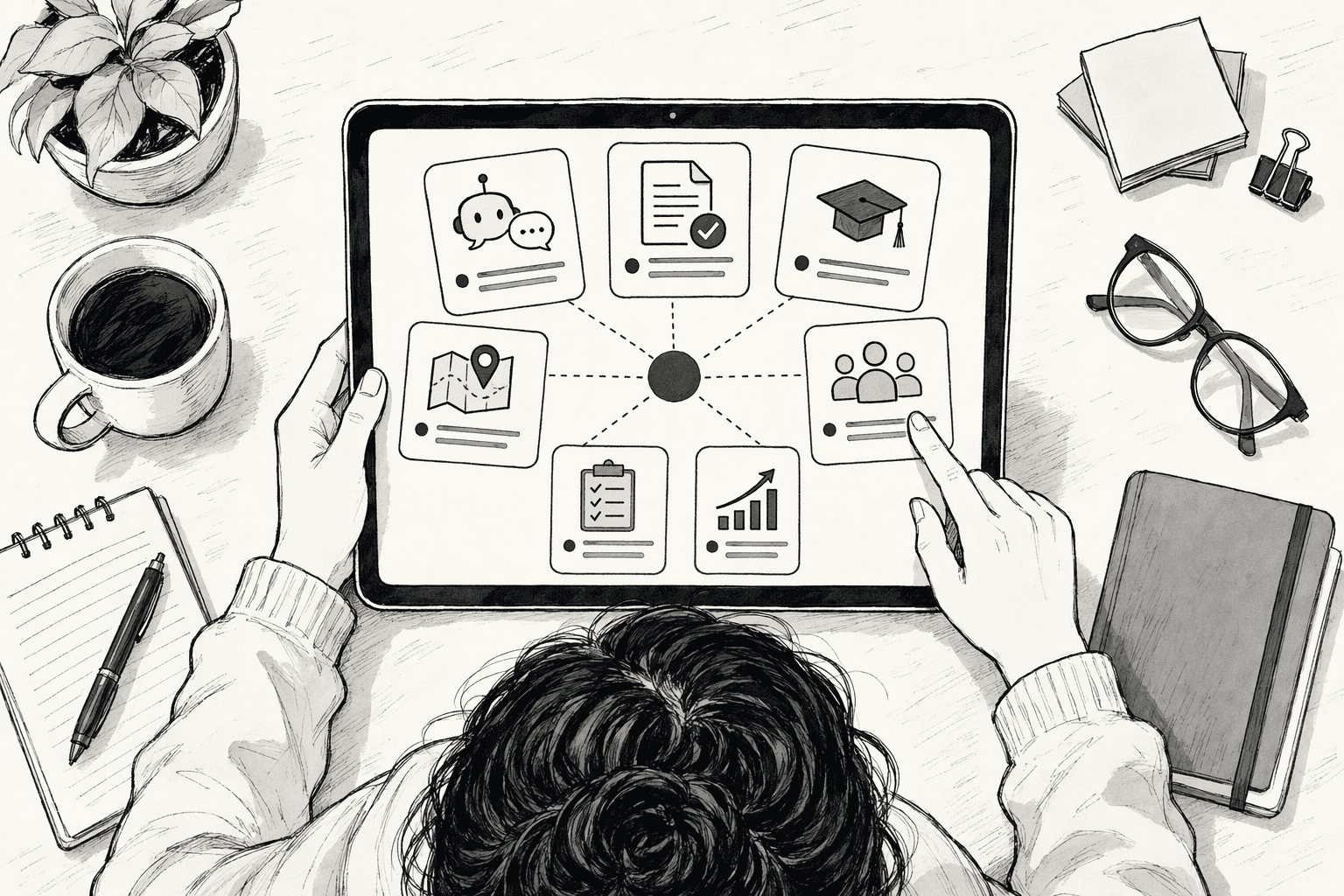
AI tools can take over the repetitive parts of onboarding and keep answers available long after orientation ends. Their main capabilities are:

  • Automate administrative tasks: Assist with documentation, onboarding checklists, reminders and routine messages.
  • Answer employee questions: Help new hires find information about policies, benefits and internal processes.
  • Personalize learning: Recommend training based on a person's role and responsibilities.
  • Explain workflows: Show how different teams operate and how recurring tasks get done.
  • Provide continuous support: Keep company information accessible well beyond scheduled orientation sessions.

How Does AI-Supported Onboarding Differ From Traditional Onboarding?
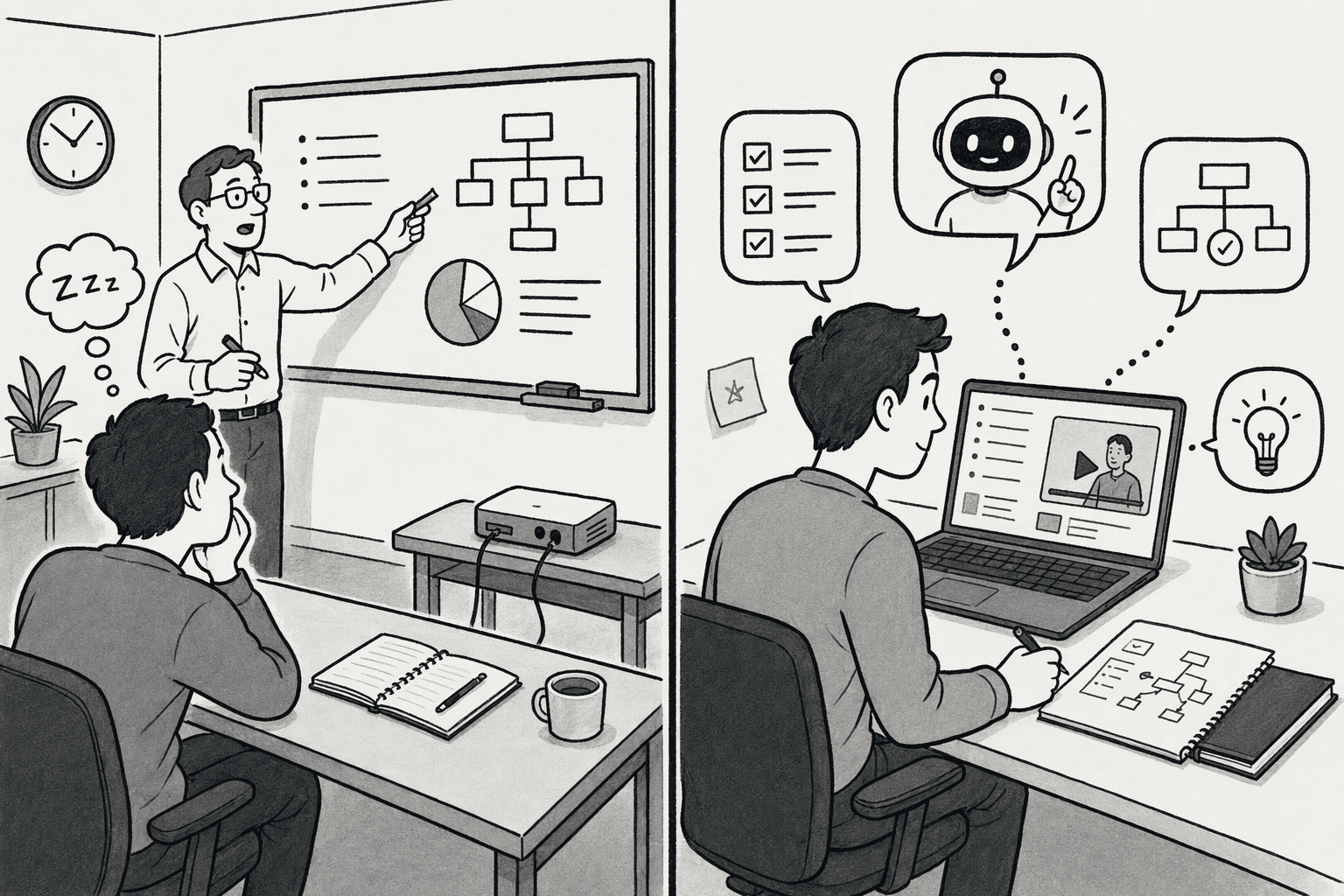
AI-supported onboarding replaces scheduled, one-way training with self-service answers that adapt to each new hire. The table shows the main differences:

Traditional OnboardingAI-Supported Onboarding
Relies heavily on scheduled trainingSupports continuous self-service learning
Employees search through documentsEmployees ask questions in natural language
Managers repeatedly explain processesShared knowledge makes answers reusable
Training follows fixed materialsLearning adapts to employee needs
Knowledge stays scatteredConnected sources improve access

Onboarding also covers more than paperwork. SHRM describes onboarding as the process of integrating a new employee with a company and its culture, while orientation covers required paperwork and routine tasks. Gallup finds that only 12% of U.S. employees say their company does a good job of onboarding, and that employees are 3.4 times more likely to see onboarding as successful when managers actively take part.

AI works alongside managers, mentors and HR. It takes the repeat questions so those people can spend their time on coaching and judgment.

How Do the Best AI Onboarding Tools Compare?

The seven tools solve different parts of onboarding. This table compares the job each one does and what a new hire experiences:

ToolOnboarding JobNew Hire Experience
PromptQLShared company knowledgeAsks questions in shared threads and gets answers from the team's wiki and data
GleanFinding informationSearches across connected apps and gets cited answers
Sana LearnAdaptive learningFollows a personalized journey with an AI tutor
TrainualTraining and process documentationWorks through role-specific training and quizzes
RipplingHR and IT automationArrives to accounts and apps already set up
BambooHRChecklist-based HR onboardingCompletes paperwork and tasks before day one
EnboarderOnboarding journeysReceives timed guidance and nudges through the tools they already use

7 Best AI Tools for Employee Onboarding

1. PromptQL
Screenshot 2026-11-04 090909.png

Source

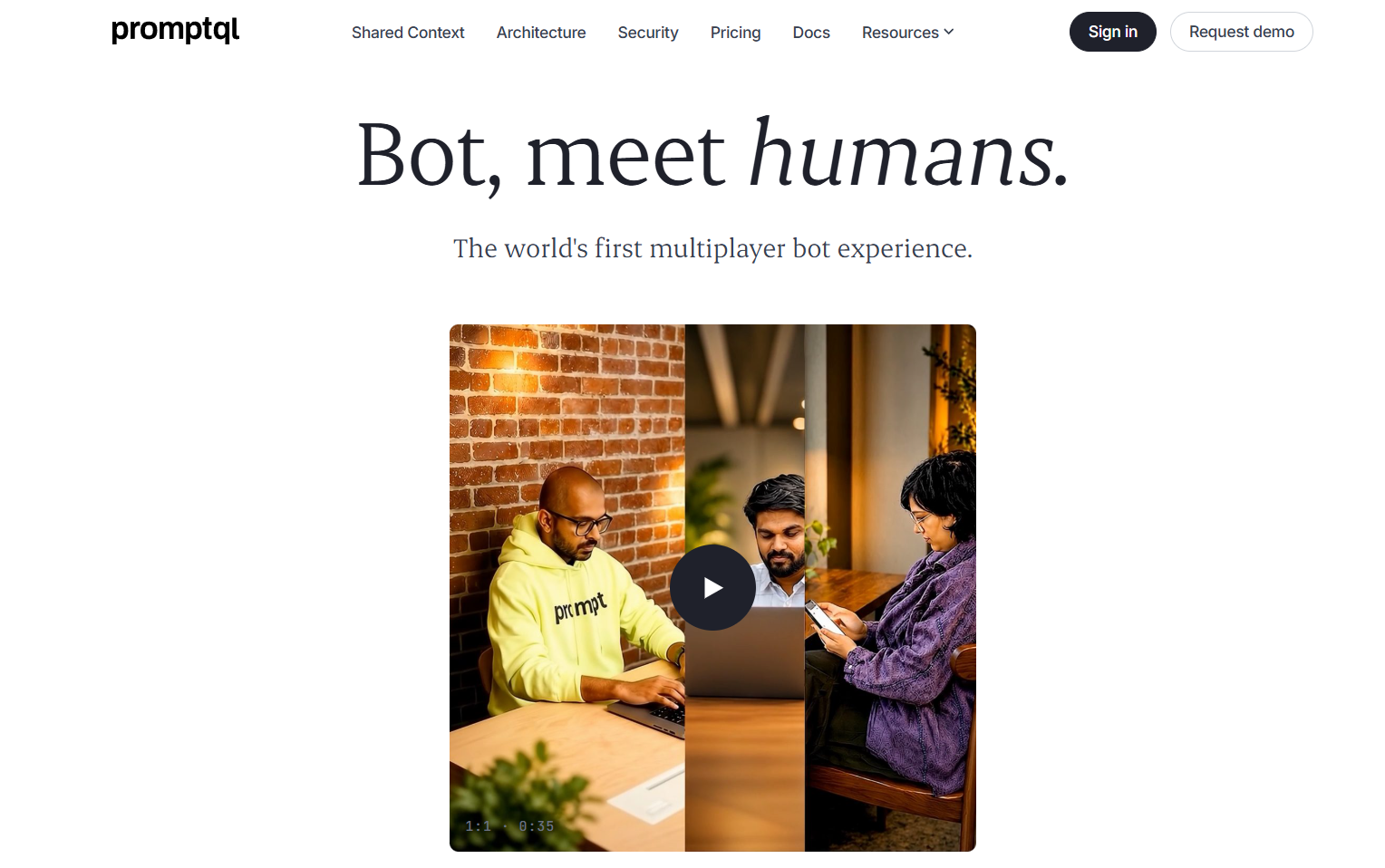
PromptQL is a multiplayer AI workspace from Hasura where a team works with one shared agent in the same threads. A new hire can ask about a process, a business definition or a past decision and get an answer built from the team’s shared wiki and connected sources such as Slack, Google Docs, Snowflake and Salesforce.

The knowledge builds itself. When a colleague corrects an answer or explains an exception in a thread, that explanation can be added to the wiki, so the next hire gets the corrected version without a documentation sprint. A new analyst can also go from learning what “active customer” means to pulling the number in the same conversation.

Here is what sets it apart:

  • A shared wiki with sources: Entries link to source data and keep revision history and audit trails, so a new hire can see where an answer came from and who last changed it.
  • Corrections that stick: A fix made once in a thread can be added to the wiki, so the same mistake does not reach every later hire.
  • Answers scoped to the person asking: Scopes separate personal, confidential, internal and external data, and queries run under the asker's own permissions, so a new hire only sees what their role allows.

Best suited for: Teams whose new hires need to understand business definitions, past decisions and how work really gets done, and that want that knowledge to improve with every hire.

2. Glean

Screenshot 2026-11-04 090952.png

Source

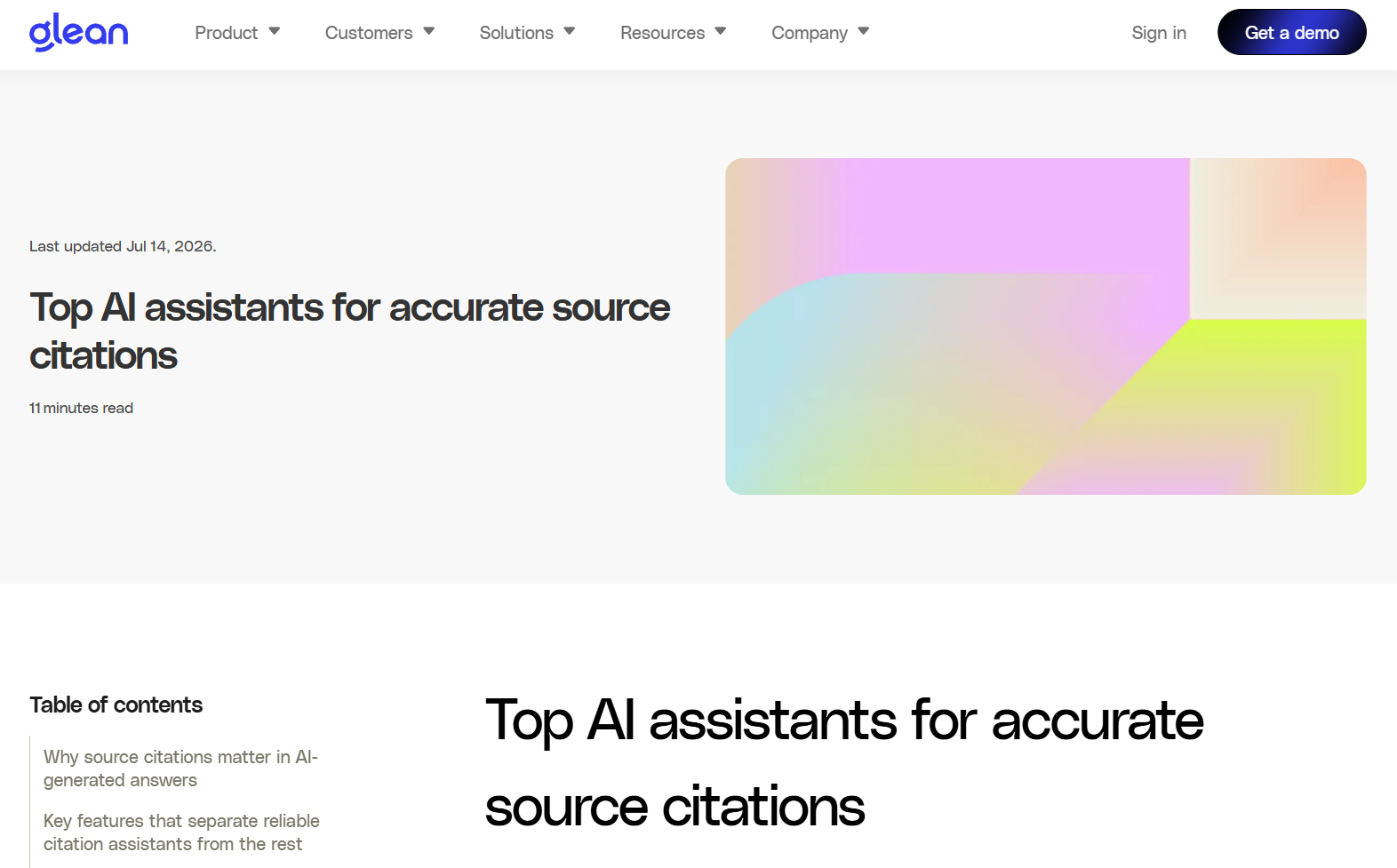
Glean searches across connected workplace apps and answers questions with citations, so new hires can find information without checking each tool one by one. Its documentation describes more than 100 connected applications.

Here is what sets it apart:

  • Permission-aware retrieval: Access controls are checked before an answer reaches the user.
  • Answers you can check: Citations open the original item in its own app.
  • Search by meaning and keyword: Queries combine both approaches.

Where it fits best: Companies with information spread across many apps, where finding it is the biggest hurdle.

3. Sana Learn

Screenshot 2026-11-04 091029.png

Source

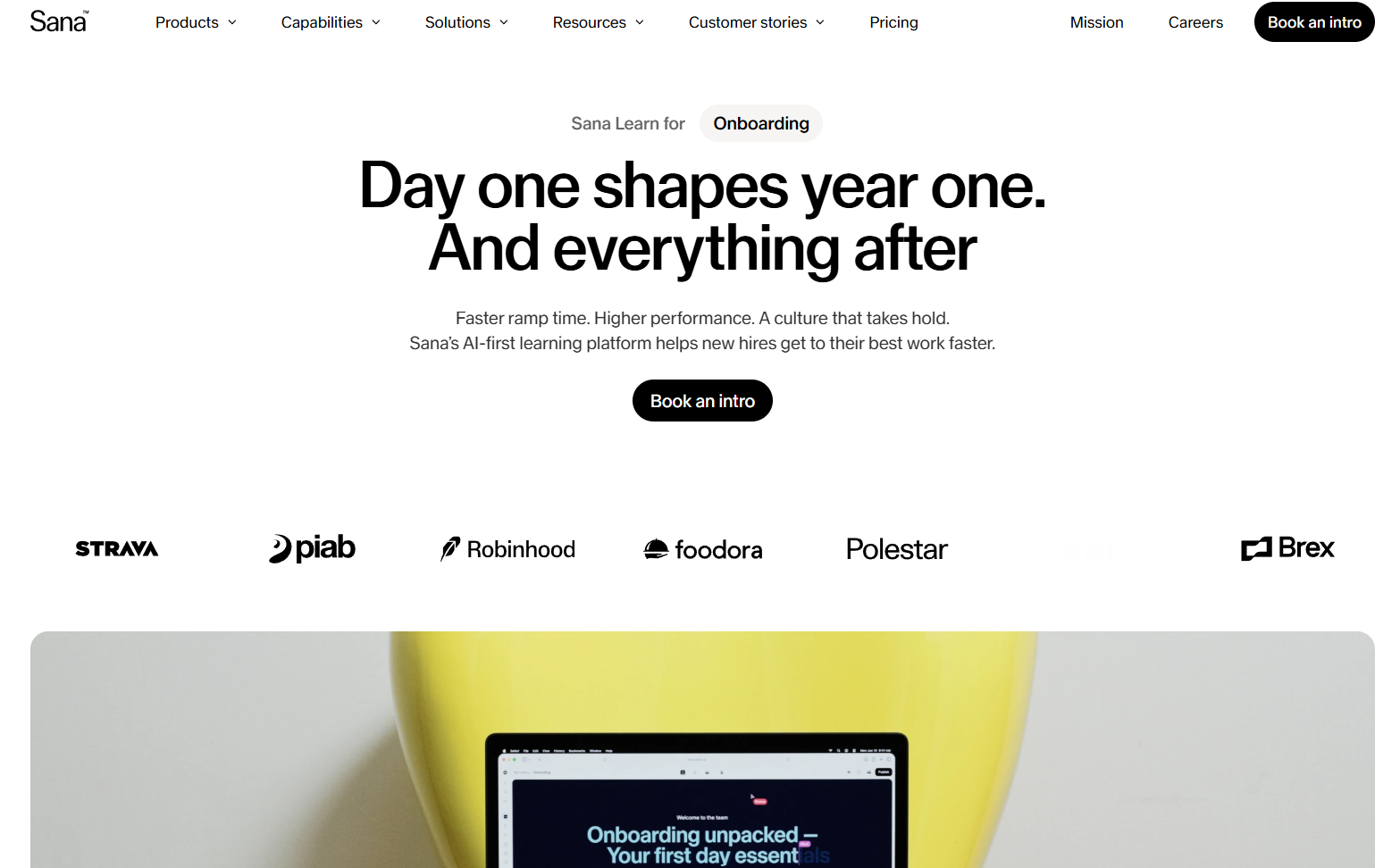
Sana Learn gives each new hire an AI tutor on day one, trained on the company's own knowledge, that answers questions and cites sources.

Here is what sets it apart:

  • Personalized journeys: AI designs a path for each hire based on role, team and experience, blending courses and live sessions.
  • HRIS-triggered programs: The right program starts when a new hire is added to the HR system.
  • Progress dashboards: Managers and admins see real-time progress and insights.

Pick this if: You want onboarding delivered as guided, personalized learning.

4. Trainual

Screenshot 2026-11-04 091103.png

Source

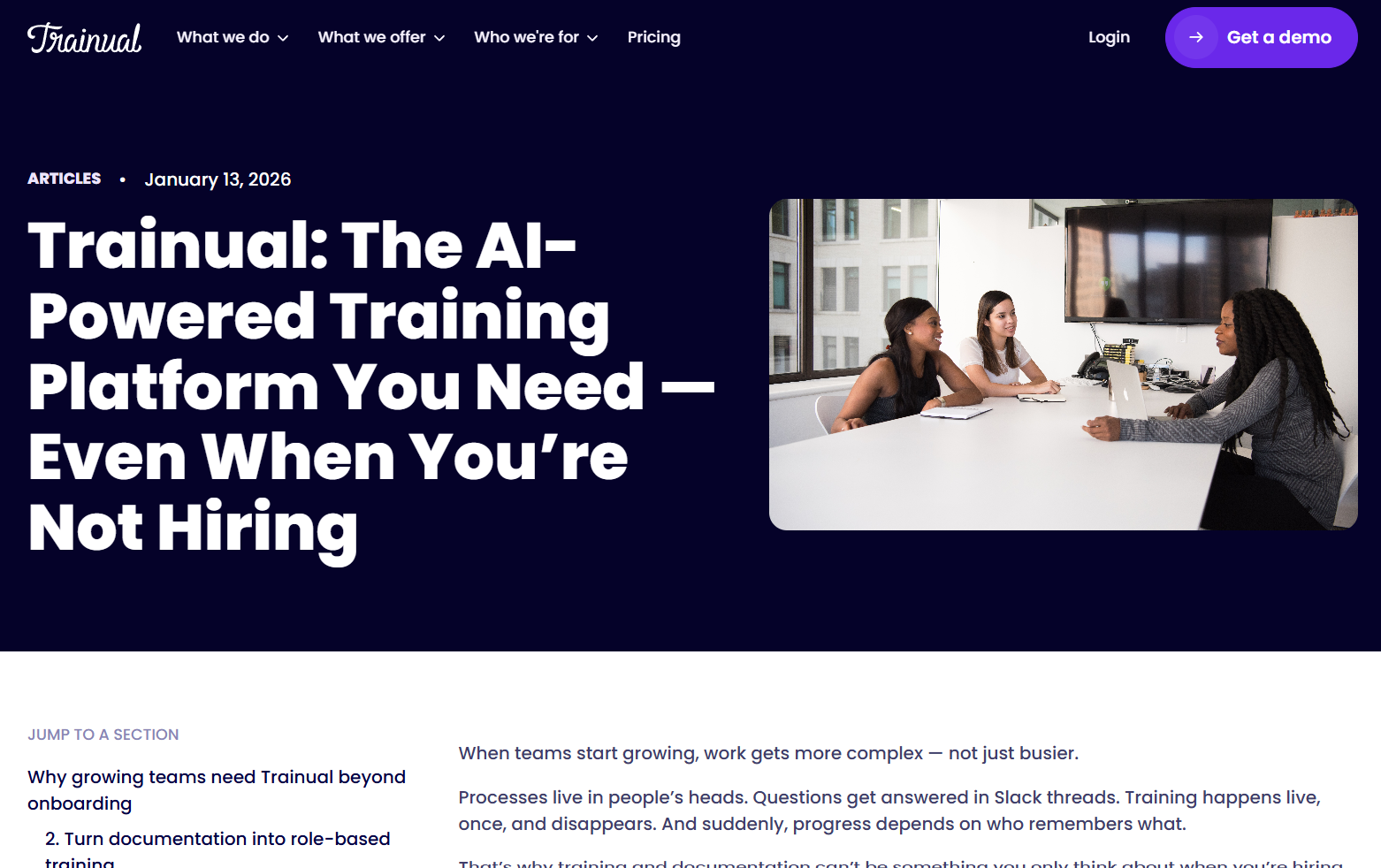
Trainual turns a company's processes into training that new hires can follow, with built-in AI to speed up the writing and let new hires ask questions in plain language.

Here is what sets it apart:

  • AI-assisted SOPs: Rough notes become structured training and documentation.
  • Role-based training: Each employee sees the material that applies to their position.
  • Quizzes and tracking: The AI can generate quizzes and knowledge checks, and completion tracking shows who has finished what.

Ideal for: Teams that need written processes and standard training in one place.

5. Rippling

Screenshot 2026-11-04 091138.png

Source

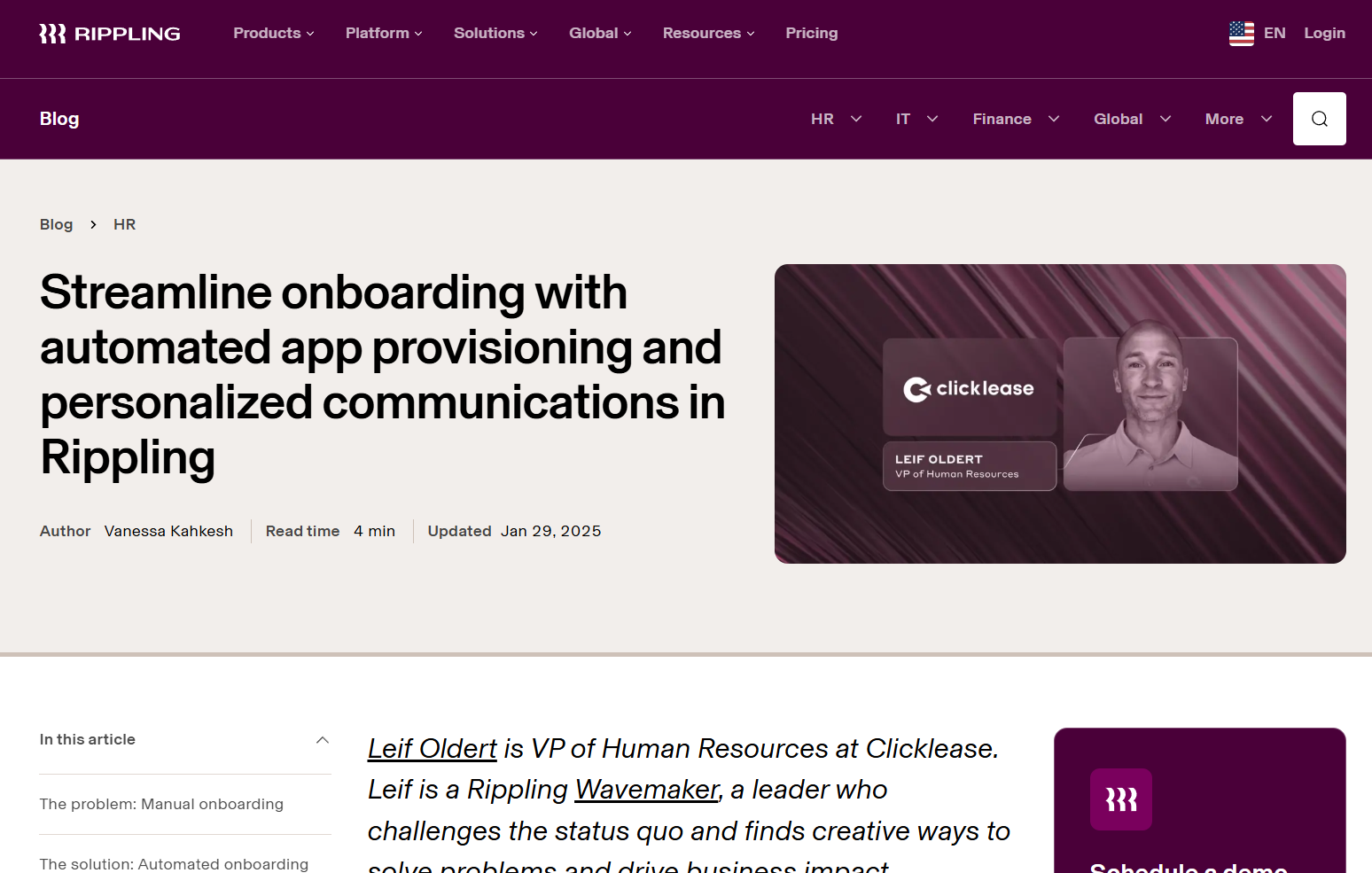
Rippling automates much of the HR and IT side of a new hire's first days. Its onboarding workflows center on automation, not on answering questions.

Here is what sets it apart:

  • Role-based app access: New hires are granted the systems their job needs automatically.
  • Automated communications: Workflows send welcome packets and first-day agendas at the right time.
  • Check-ins and surveys: Workflows can schedule check-ins at set intervals, such as 30, 60 and 90 days, with manager reminders and feedback surveys.

Who it suits: Companies that want setup tasks across HR and IT handled in one system.

6. BambooHR

Screenshot 2026-11-04 091213.png

Source

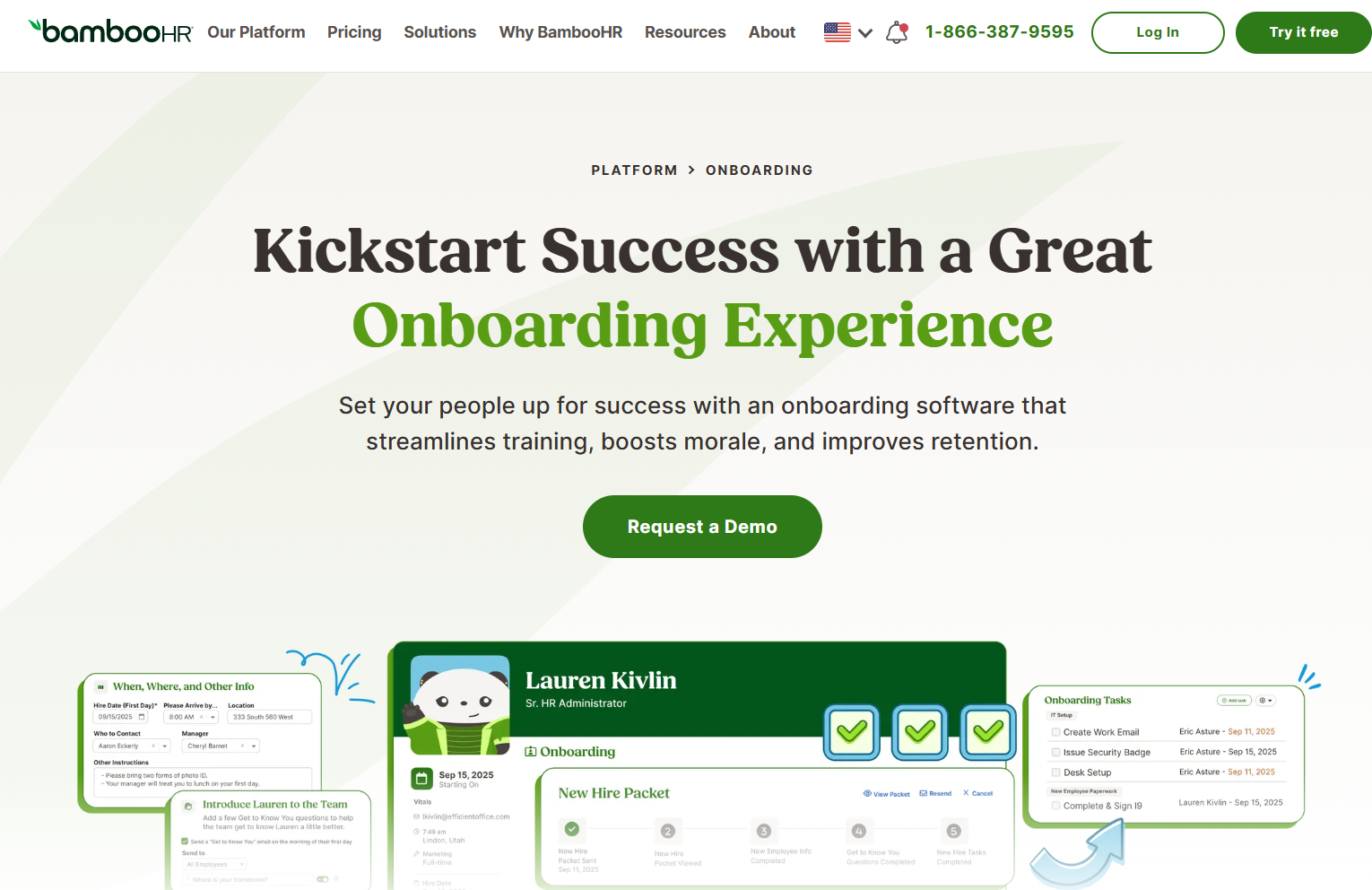
BambooHR keeps onboarding inside an HR platform, using templates and checklists to move each hire through the process. Its onboarding page describes workflow automation and does not highlight AI features.

Here is what sets it apart:

  • Paperwork before day one: New hires can complete tax forms, I-9 verification and direct deposit details remotely before they start.
  • Customizable packets: HR chooses the documents each new hire needs from new-hire packet templates.
  • Progress at a glance: A dashboard shows completion, and document reports show what is signed and outstanding.

Good match for: Smaller HR teams that want a straightforward, checklist-driven process.

7. Enboarder

Screenshot 2026-11-04 091251.png

Source

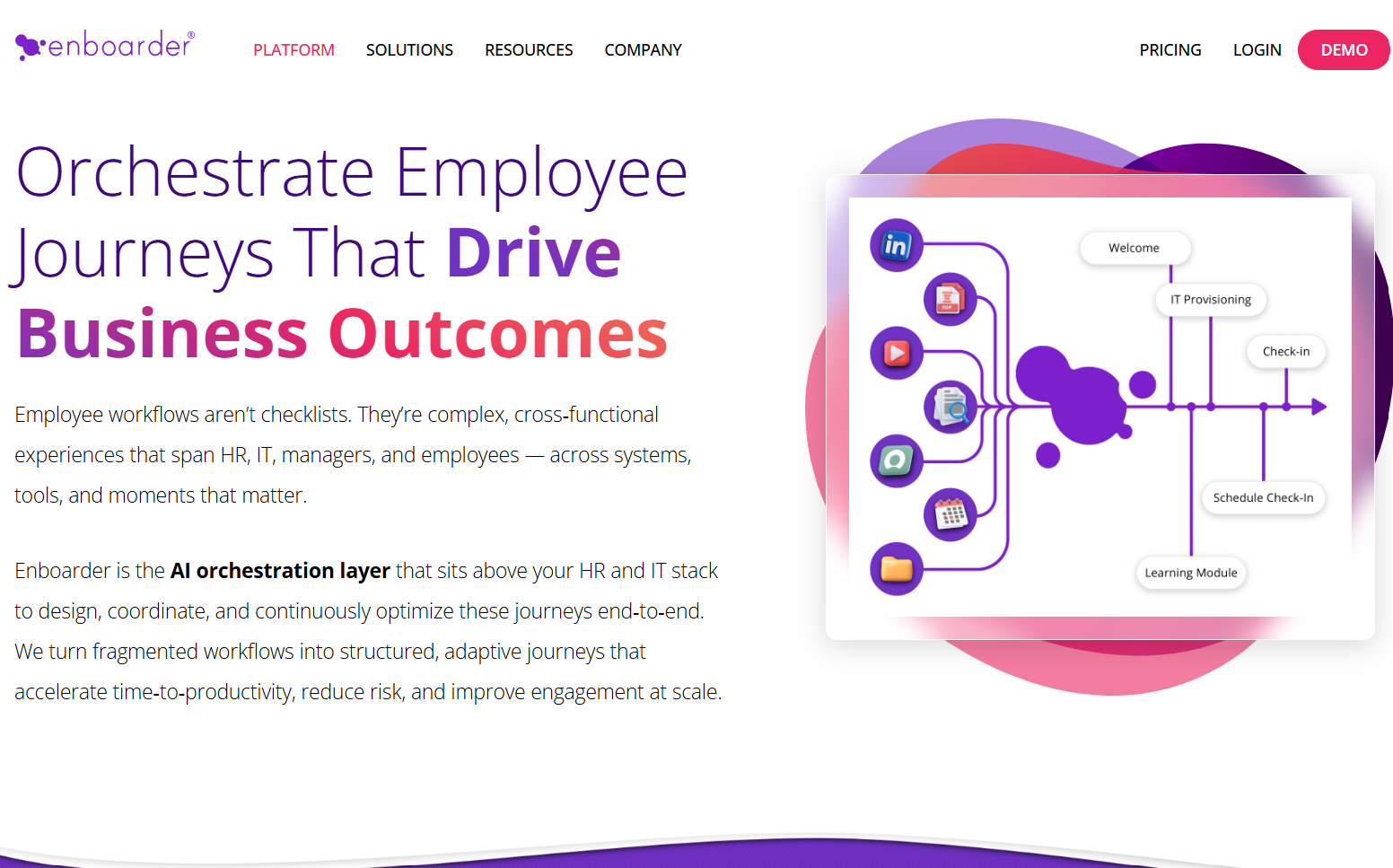
Enboarder uses AI to design onboarding journeys from job data, policies and internal content, then delivers them to employees and managers through the channels they already use.

Here is what sets it apart:

  • AI-built ramp plans: AI agents orchestrate structured 30-60-90 day plans and adjust them as needed.
  • A journey assistant: It gives real-time guidance and answers to employees, managers and HR.
  • Works above your systems: It sits on top of HR, IT, learning and collaboration tools and delivers through email, SMS, Slack and Teams.

Strongest fit: Organizations that want structured, engaging journeys for both new hires and their managers.

How to Choose the Right AI Tool for Employee Onboarding
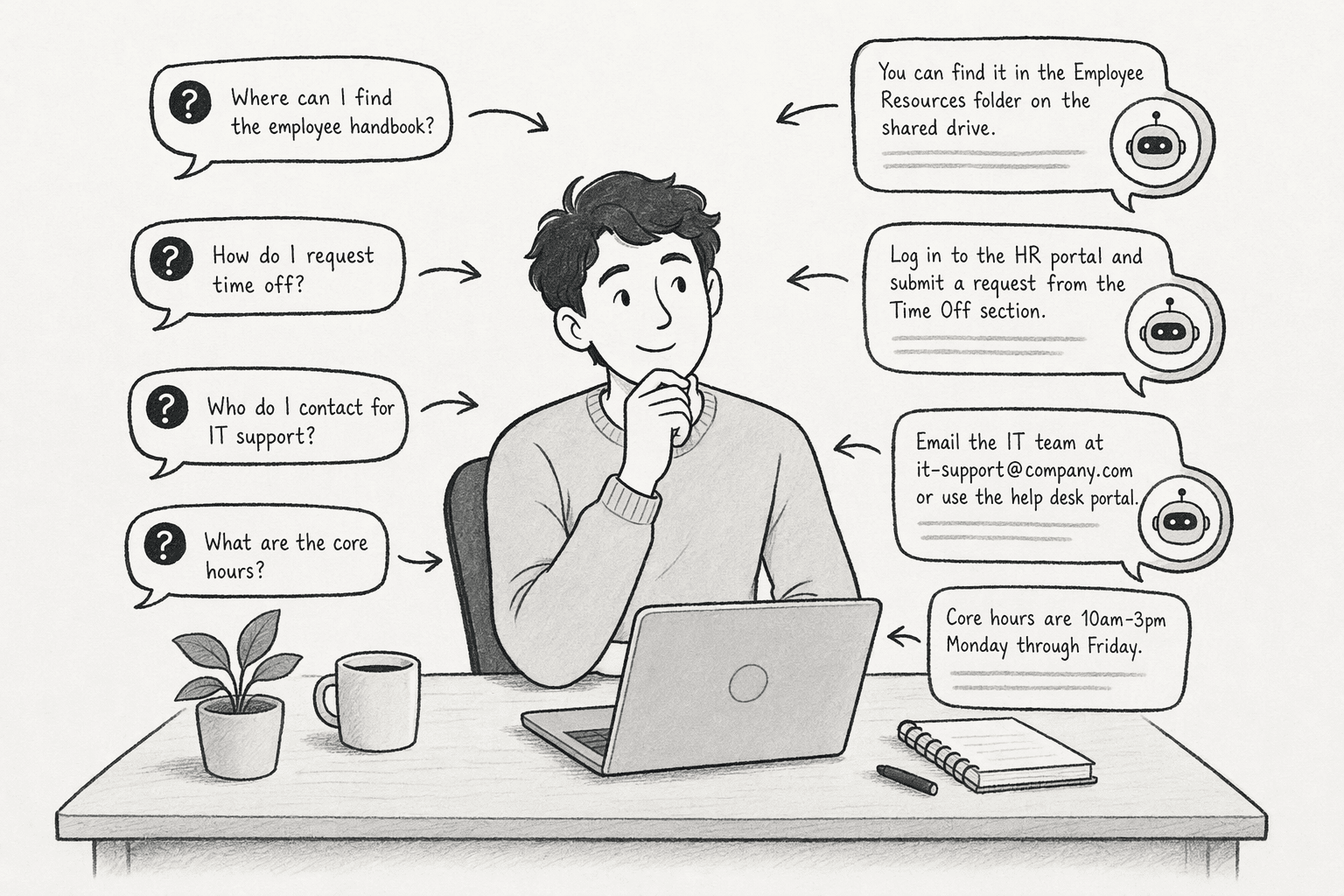
Choose the tool that closes the biggest gap in your current onboarding, then check it against six factors:

  1. Knowledge accessibility: Can new hires ask questions and get reliable company information?
  2. Integration capabilities: Does it connect to your HR and workplace apps?
  3. Personalization: Can onboarding adapt to different roles and departments?
  4. Automation: Does it reduce repetitive admin work?
  5. Security and permissions: Can employees only see what they are allowed to see?
  6. Scalability: Will it keep working as your headcount grows?

Most teams pair one automation tool with one knowledge tool, since the two solve different problems. Employer-of-record services for global hiring and pre-hire skills testing are separate categories with their own criteria.

How Does a Company Brain Make Employee Onboarding More Effective?
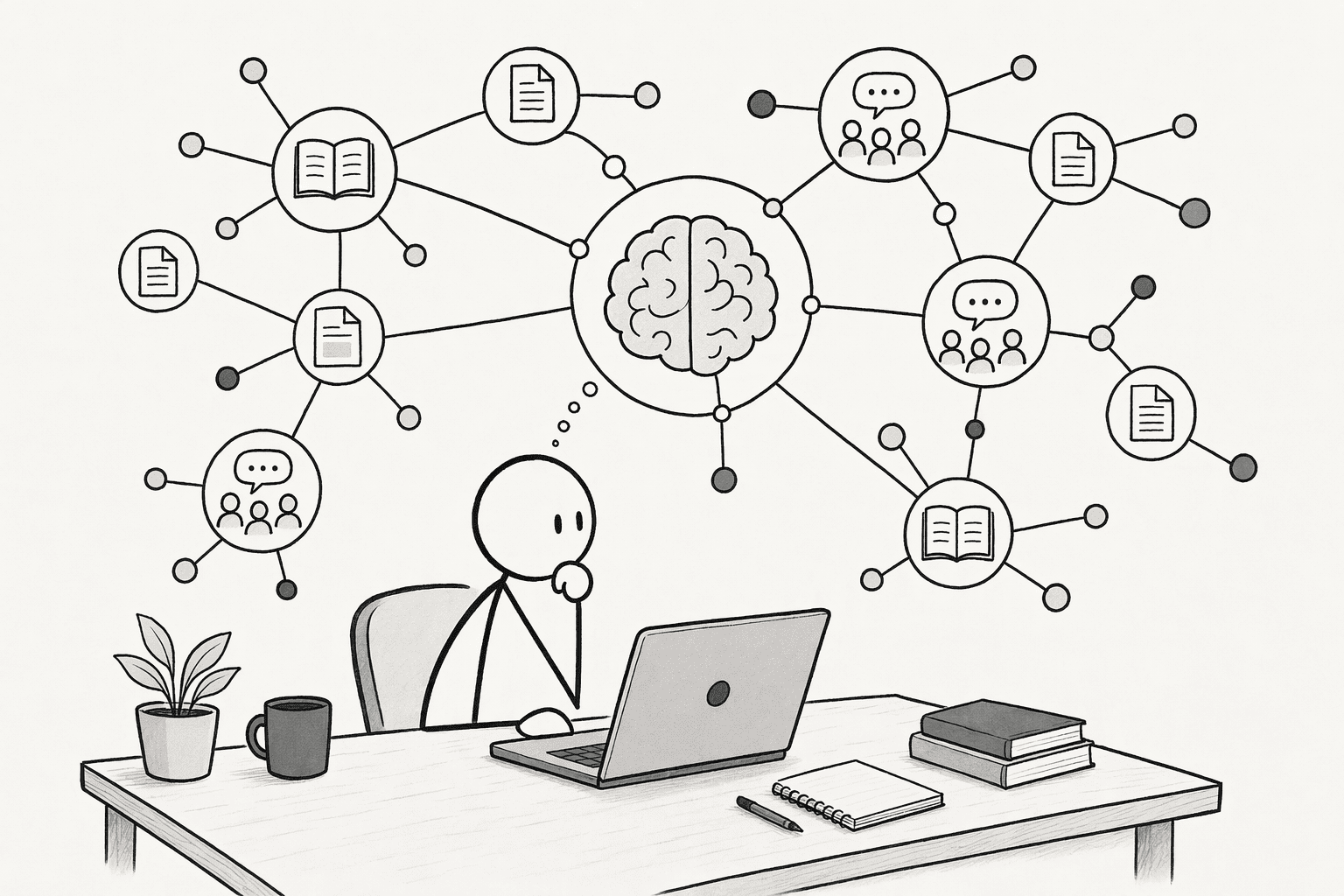
A Company Brain makes onboarding more effective by giving new hires direct access to the knowledge behind company processes, so they learn how the organization works as well as where files are stored. PromptQL's Company Brain does this through a shared wiki that grows as the team works. It helps in five ways:

  • Instant access to knowledge: New hires ask about processes, project history and business terms in plain language and get an answer in seconds.
  • Preserved institutional knowledge: An expert's explanation in a thread can become reusable wiki knowledge that stays when they leave.
  • Business context: Definitions, past decisions and team discussions show why a process exists, which helps new hires make good calls alone.
  • Independent learning: New hires explore unfamiliar topics without leaning on their manager for every question.
  • Knowledge that stays current: Corrections keep improving the wiki, so next quarter's material reflects what the team learned this quarter. That upkeep matters, since Slite's July 2026 survey of 149 teams found that only 17% had a company brain that worked.

Here is how that looks in practice. A new product manager joins in week one. They ask what "active customer" means and get the agreed definition with a link to where it was decided. They ask why a feature was shelved last year and find the discussion behind it. When a teammate corrects an outdated answer, the correction goes into the wiki, and the next hire starts from the better version.

Conclusion

The fastest way to choose a tool is to ask your last three hires to list every question they asked in their first 30 days. Sort the list into three piles: setup tasks, training topics and "how does this company work" questions. The biggest pile tells you whether you need automation, training or shared knowledge, and the full list becomes your test set for any demo.

For the third pile, PromptQL's Company Brain turns what your team already knows into answers new hires can use from day one. To see how it could support your next hire, explore PromptQL or read how other teams use it in its case studies.

Frequently Asked Questions

How Do You Measure the Success of an AI Onboarding Tool?

Track time to first independent task, new-hire satisfaction scores at 30, 60 and 90 days, and 90-day retention. Compare each new cohort with the one before it, and review the questions the tool could not answer to find gaps in your content.

What Does an AI-Supported First Week Look Like?

Accounts and apps are ready before day one. The first days cover role training and introductions, and the new hire asks an AI assistant questions as they come up. By Friday, a manager's check-in focuses on goals and feedback rather than basic how-to questions.

Do AI Onboarding Tools Work for Remote Employees?

Yes. Several tools deliver guidance in the apps remote hires already use, such as Slack, Teams, email and SMS, and AI tutors and assistants are available at any hour. That helps most when a new hire works in a different time zone from their manager.

What Mistakes Should You Avoid When Adopting an AI Onboarding Tool?

Common mistakes include loading outdated content, giving nobody ownership of accuracy, and skipping manager buy-in. Start with one team and a short list of high-frequency questions, assign an owner to review corrections, and expand once answers prove reliable.

Sources

  1. How to Build a Company Brain - promptql.io
  2. We cut new-hire ramp time in half. Here is the exact 7-step blueprint. - promptql.io
  3. How to Use AI for Employee Onboarding — Enterprise DNA - enterprisedna.co
  4. Top 7 AI Tools for Employee Onboarding in 2026 - multiplayer-ai - multiplayeraiguide.com
  5. 11 Best AI Employee Onboarding Tools for 2026 - LineZine - linezine.com
  6. Best AI for Employee Onboarding 2026: Faster Ramp, Less Admin | AISO Tools - aisotools.com
PromptQL Team
PromptQL Team
Pre Footer

See PromptQL in action on your data.