Every team has a person you ask when something breaks. They know which workaround to use, which customer is the exception, and why the process changed three years ago, and none of it is in the knowledge base, because nobody ever wrote it down. That's tribal knowledge going to waste.
This guide defines tribal knowledge, explains why it so rarely makes it into documentation, and covers six ways to turn it into a searchable knowledge base, from deciding what to capture first to keeping every entry current.
Key takeaways
- Tribal knowledge is unwritten but relied on: It is the knowledge a team depends on that lives in people's heads and conversations.
- People can't just write it down: Much of it is judgment, so it has to be drawn out with questions and mined from past conversations.
- Start with the highest-risk knowledge: Capture what breaks things when a person is away before anything else.
- Write entries so they can be found: A title phrased as the question people ask makes an entry searchable.
- Keep every entry owned and reviewed: Tribal knowledge can be wrong, so entries need an owner and a review date.
What is tribal knowledge?
Tribal knowledge is knowledge that is known within a group but unknown outside it.
In management science, it is usually treated as a type of institutional memory that lacks adequate documentation, so it survives through mentoring, on-the-job training, and the continuity of the people who hold it, which makes it vulnerable whenever someone leaves.
In practice, it is the workaround nobody wrote down, the exception to the written processes, and the reason a past decision went the way it did. It differs from documented knowledge in two ways:
- It is rarely written anywhere
- Nobody has checked it.
Why tribal knowledge never makes it into the knowledge base
Teams don't skip documentation out of carelessness. Four things get in the way:
- It's judgment, not steps: People often don't know what they know, and APQC notes that documentation preserves explicit knowledge but may not capture experience-based judgment or contextual understanding.
- It lives in conversations: The reasoning behind a decision sits in chat threads, direct messages, and incident channels, which nobody searches later.
- Writing it up is extra work: The people who hold the knowledge are usually the busiest, so writing it up gets pushed back and then skipped.
- Nobody sees the gap until someone leaves: A missing entry produces no error, so the gap appears only when the person who held the knowledge is gone.
The fix is to capture knowledge where it already appears, in conversations and decisions, and to ask for the rest with better questions than "can you document this?"
How to turn tribal knowledge into a searchable knowledge base
The six steps below go from deciding what to capture to keeping each entry up to date:
1. Map where it lives and what to capture first
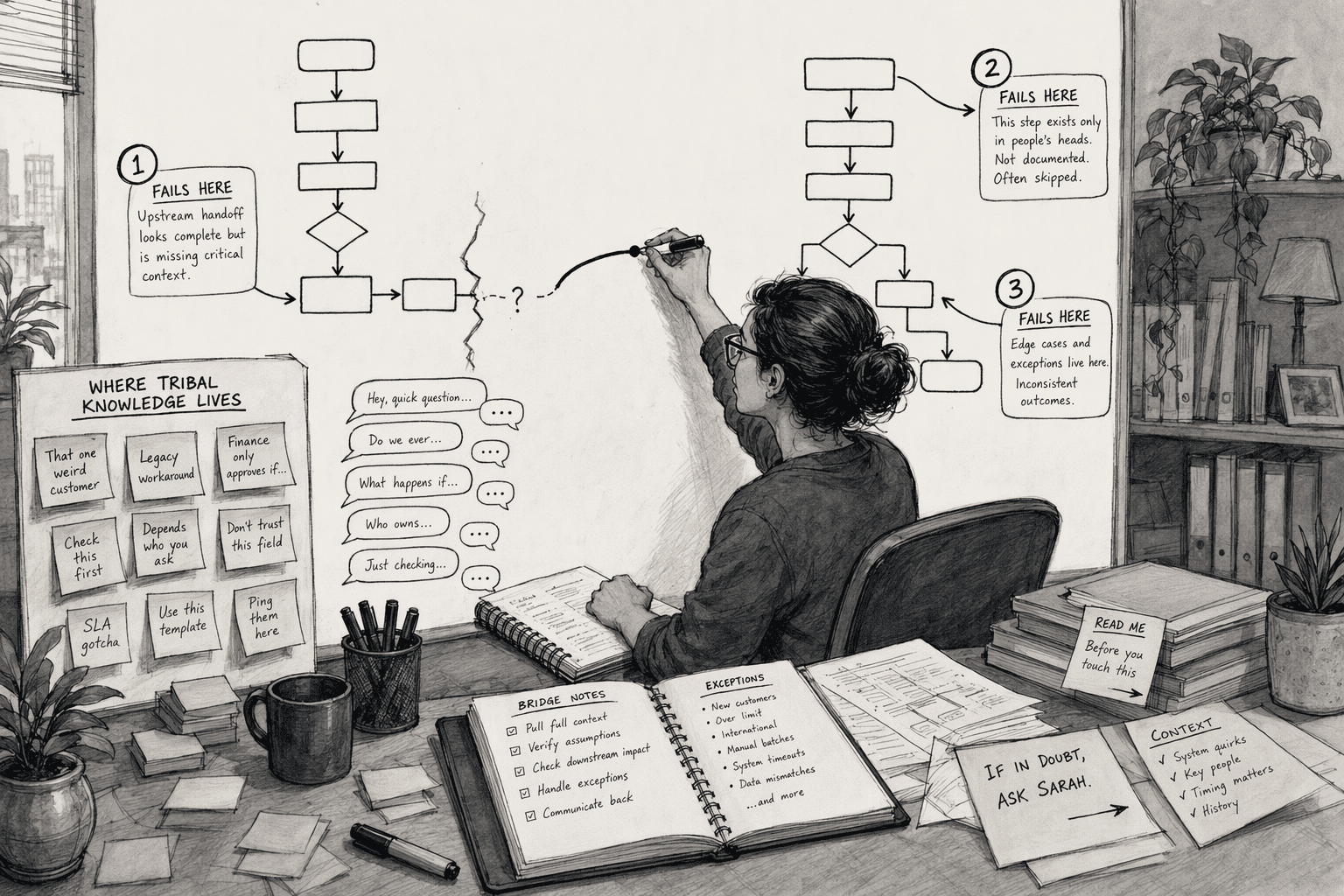
Start by asking who people go to when something breaks, which questions repeat in chat, and which roles are single points of failure.
Begin where standard procedures break and a person steps in to bridge the gap, and list the three areas where someone leaving would hurt most.
Capture those first, because the highest-risk, most-asked knowledge is where a missing entry costs the most.
2. Get it out of people with structured questions
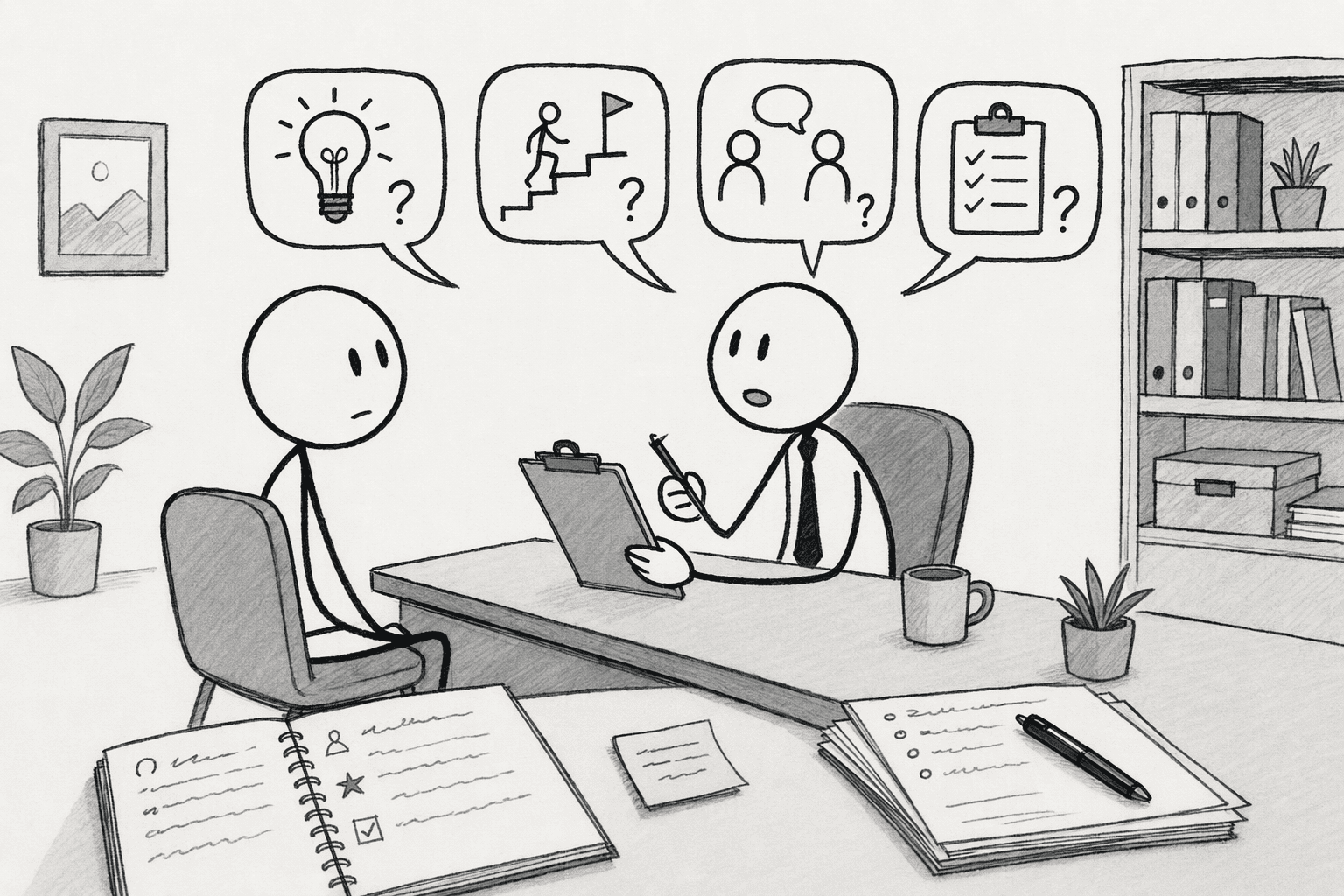
People can't easily write down what they do without thinking, so ask.
Use scenario questions such as "walk me through the last time you handled this," "what did you check first," "what usually goes wrong," and "who else do you ask," and base them on APQC's sample interview questions.
For work that people do without noticing, add job shadowing, where someone watches and asks why at each step. Explain the purpose up front and credit contributors, since APQC lists building trust as part of retention work.
3. Mine the conversations and decisions that already exist
A lot of tribal knowledge is already written down, just in the wrong places.
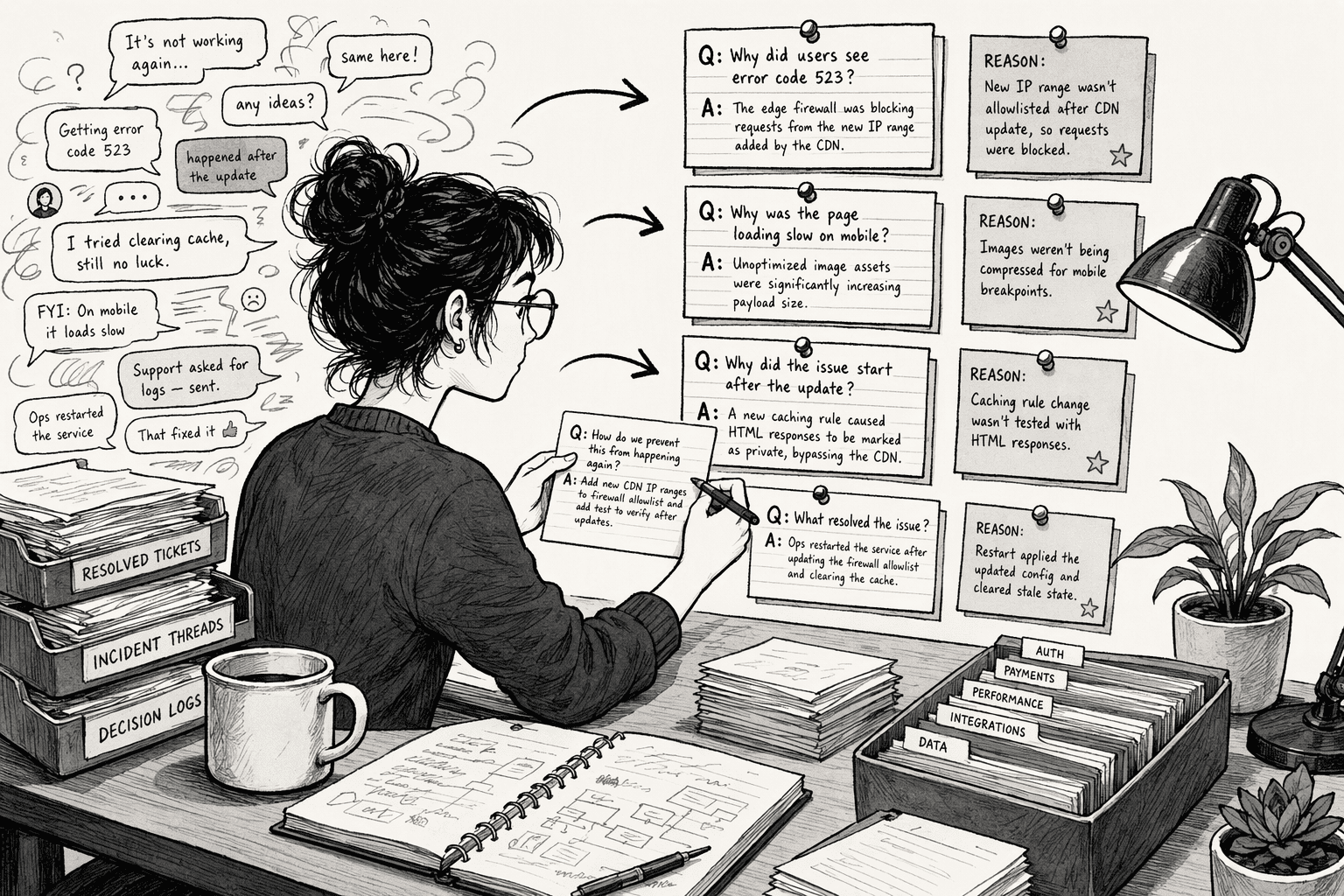
Resolved threads, tickets, incident channels, and decision logs hold the questions people asked and the answers that worked, so turn them into question-and-answer entries instead of asking people to write more. Capture the reason that was given with each correction or override, since the reason is the knowledge.
PromptQL works this way. It seeds context from tools such as Slack, Google Drive, and GitHub and captures decisions as the team works.
4. Write each entry so it can be found
Searchable depends on how an entry is written and stored.
Give each entry a title phrased as the question people actually ask, then the answer, the context and the exceptions, the owner, the date, and the source.
Add the words people use for the same thing, such as the nickname for a system or the abbreviation for a process, so a search for either finds it.
Consistent templates and named owners are also what keep a team wiki from going stale.
5. Put it where people search and see what they can't find
A knowledge base only works if it is where people already ask.
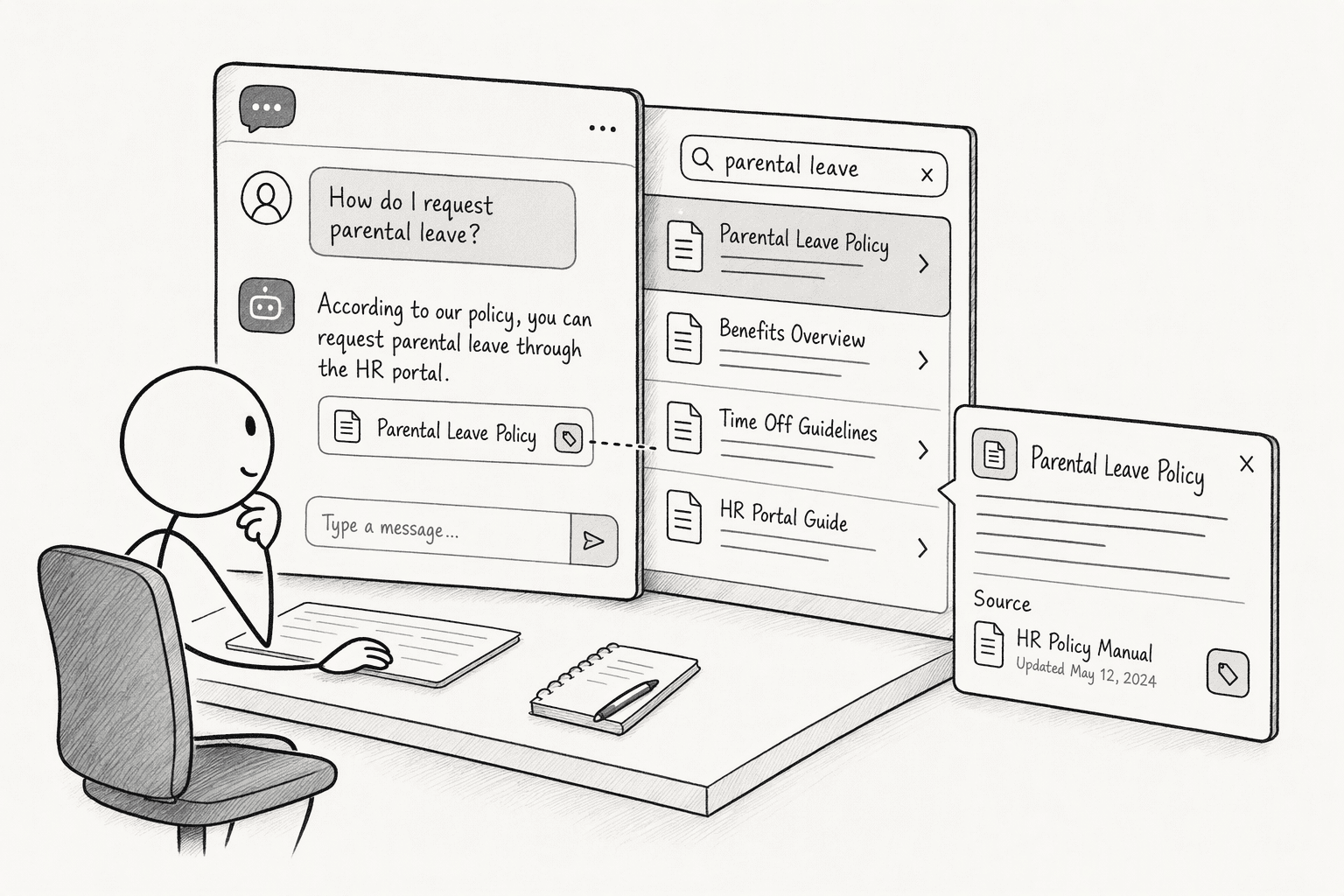
Make it searchable from the chat tool the team uses, and have answers cite the entries they come from, so people can check the source.
Failed or empty searches show what is missing better than what already exists, so a searchable knowledge base should surface them, and each one is a signal to capture the next piece.
6. Keep it up to date
Tribal knowledge changes as the work changes, so every entry needs an owner and a review date. When someone corrects an answer, the correction should update the entry, not just that conversation.
PromptQL does this by capturing a correction as a cited wiki entry with revision history, so the next answer starts from the fix. Review the entries that get searched most first, since they are the ones people rely on.
Conclusion
Treat capturing tribal knowledge as a habit, not a project. Capture it at the moment someone explains it, keep each entry owned and reviewed, and use the searches that find nothing to decide what to capture next. PromptQL fits that habit: tag it in the channel where the question is asked, and the answer and the correction become a shared, cited entry for the next person, so the knowledge no longer depends on who happened to be around.
Frequently Asked Questions
What is tribal knowledge and why is it a problem for organizations?
Tribal knowledge is the unwritten, in-group expertise necessary to an organization's function that lacks adequate documentation. It becomes a problem because its preservation relies solely on continuity of staffing, making it inherently vulnerable to employee turnover.
Why can't people just write it down?
Much of it is judgment that people apply without noticing, so they don't know to write it down, and writing takes time they don't have. Asking structured questions and mining past conversations works better than asking for documentation.
What should a searchable entry include?
A title phrased as the question people ask, the answer, the context and exceptions, an owner, a date, a source, and the words people use for the same thing.
How do you capture knowledge from someone who is about to leave?
Start early with structured interviews built on real scenarios, add shadowing for what they do without noticing, and mine their past threads and decisions. Have the entries reviewed before they go, so questions can still be put to the person.
Sources
- Knowledge loss induced by organizational member turnover: a review of empirical literature, synthesis and future research directions (Part I) - ScienceDirect - www.sciencedirect.com
- Tribal knowledge - Wikipedia - en.wikipedia.org
- What Happens to Tribal Knowledge When Dispatchers Retire? - finance.yahoo.com